
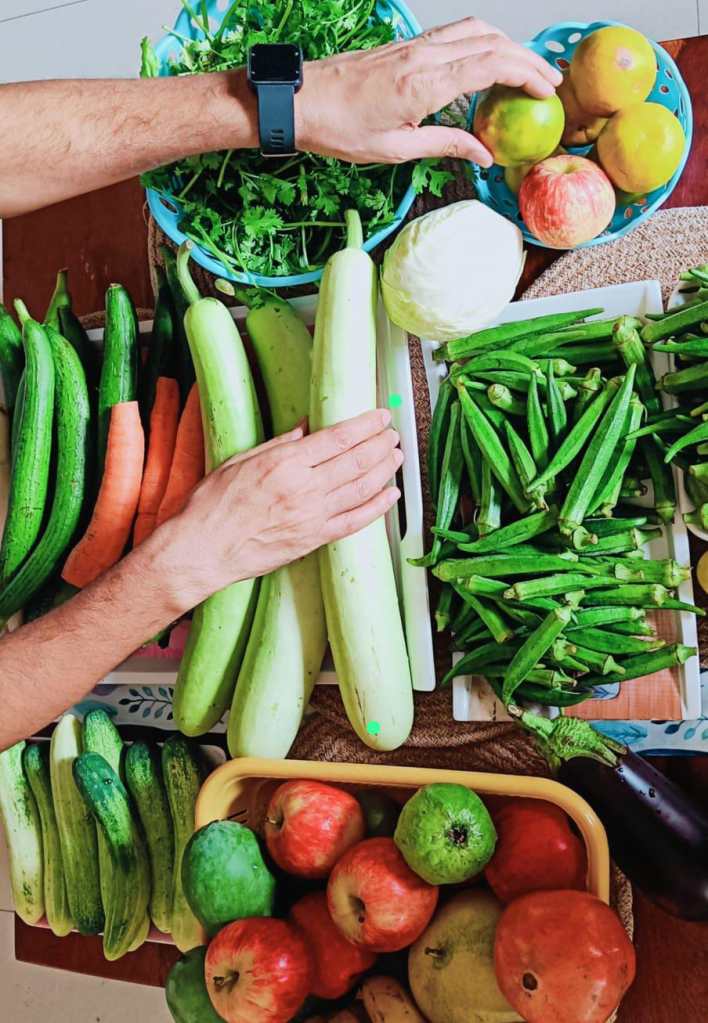

Healthy eating does not have to be expensive or extravagant. Although the term “superfood” sometimes conjures up images of exotic and expensive foods, there are numerous nutrient-dense, cheaply priced, and widely available options. I’ll try to explain in this article how you can use superfoods to fuel your body without breaking the bank. Discover how to stretch your grocery budget while still receiving the benefits of these nutritious foods, which vary from protein-rich beans to versatile vegetables. The following superfoods are inexpensive and can contribute to a healthy diet.

- Lentils: Packed with protein, fiber, and vital minerals like iron and magnesium, lentils are a nutritional powerhouse. They are quite adaptable and can be added to salads, stews, and soups. They have a long shelf life, are readily available, and are reasonably priced.
- Oats: A great source of soluble fiber, oats fall into the superfood category and can help decrease cholesterol and enhance heart health. They are also abundant in minerals and vitamins, including as magnesium, phosphorus, and manganese. Oats make great oatmeal for breakfast or can be added to smoothies and baked goods.


- Eggs: The most economical source of high-quality protein is eggs. They are also abundant in vital nutrients including lutein, which promotes eye health, and choline, which is critical for brain function. Eggs are a versatile complement to any meal because they can be prepared in a variety of ways.
- Bananas: Packed with potassium, vitamin C, and vitamin B6, bananas are also reasonably priced. They can be added to baked goods, smoothies, and oatmeal, or they make a delicious snack on their own. Sugar cravings may also be lessened by their inherent sweetness.
- Sweet Potatoes: Beta-carotene, which is abundant in sweet potatoes, is transformed by the body into vitamin A, which is necessary for healthy eyesight and a strong immune system. In addition, they are a good source of vitamins, minerals, and fiber. Sweet potatoes can be used to soups and stews, roasted, or mashed.
- Spinach: A nutrient-dense leafy green, spinach is rich in iron, calcium, and vitamins A, C, and K. It can be cooked as basic boiled veggies or added to salads, smoothies, and soups. You can save money while still enjoying the health advantages of spinach by purchasing it in bulk and freezing or blanching it for extended usage.
- Chickpeas: Garbanzo beans, sometimes referred to as chickpeas, are a great plant-based source of fiber and protein. They are also a good source of iron, phosphorus, folate, and other vitamins and minerals. You may use chickpeas in salads, stews, and homemade hummus, among other recipes.
- Brown Rice: Compared to white rice, brown rice is a whole grain that offers more nutrients and fiber. Magnesium, phosphorus, and vitamin B are all abundant in it. Stir-fries, grain bowls, and simply steamed brown rice are just a few of the recipes that can be made with brown rice as a base. You can also add some vegetables to it.
- Yogurt :Protein, calcium, and probiotics—all of which are good for gut health—are abundant in yogurt. It can be eaten by itself, combined with honey and other fruits, or as a foundation for sauces and smoothies. You can save money by purchasing in larger containers and produce yogurt at home using a very simple and traditional approach.
- Carrots: Rich in beta-carotene, fiber, and antioxidants, carrots are a cheap and adaptable vegetable. They can be added to soups and stews, eaten raw, or roasted. When served with hummus or a nutritious dip, carrots make a fantastic snack.
The Essence
“By including these low-cost superfoods in your diet, you can benefit from nutrient-rich foods without going over your spending limit. Remember that eating well isn’t about buying the most expensive ingredients; it’s about finding balance and making informed choices. Eat healthily and be content.“
Dear Readers,
Thank you for reading!
With gratitude,
~Preeti😊
 Nutrinirvana