Now that Makar Sankranti is here, who can forget the custom of til gud laddus and kite flying? It strengthens love and social cohesion. Letting go of negativity. Riding a kite high represents life’s advancement and moving past negative things.
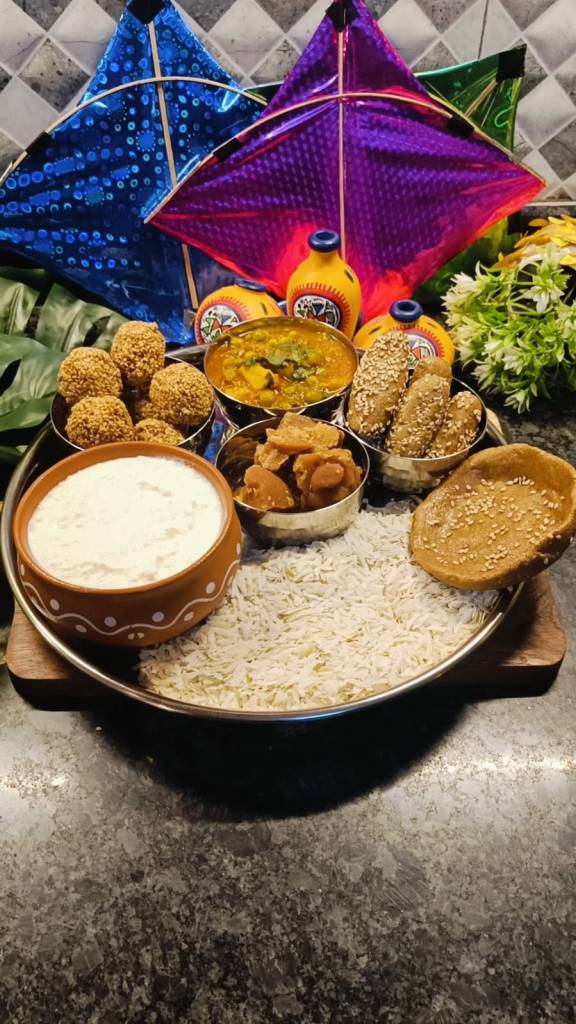
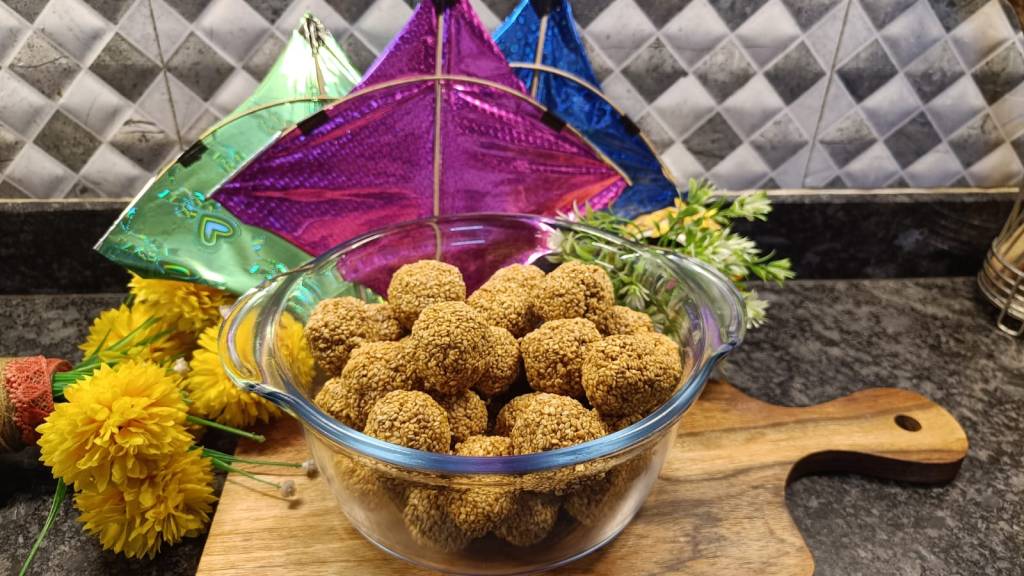
In India, every region celebrates Makar Sankranti in its own unique way. In our area, it is known as Tila Sankranti or Khichdi. On the day of Makar Sankranti, the very first offering is made to God with laddus prepared from sesame seeds (til) and jaggery (gud), which are called lai. Afterwards, everyone eats curd with flattened rice (dahi-chura) and sesame laddus together. At night, khichdi is prepared by cooking rice and lentils with sesame seeds and a variety of vegetables, which everyone eats together. On this occasion, people also thank God for the new harvest.
Makar Sankranti is a famous event in India. It is celebrated in various ways across India. The event takes place on the day that the Sun enters the Capricorn (Makar) zodiac sign during the month of Paush. This event is traditionally held on the 14th or 15th of January, when the Sun moves from Sagittarius to Capricorn. Pongal is the name given to it in Tamil Nadu, whereas it is simply known as Sankranti in Karnataka, Kerala, and Andhra Pradesh. In Punjab, it is celebrated as Lohri. In some areas, Makar Sankranti is referred to as Uttarayan. In Maharashtra, Makar Sankranti is celebrated as a vibrant harvest festival called Tilgul; during this festival, people exchange tilgul (sweets made of sesame seeds and jaggery) with each other and fly kites.
Importance: It is a celebration of harvest and fresh starts, with sesame seeds, jaggery, and kite flying being prominent, as the cold starts to subside on this day. The Uttarayan, or the Sun’s northward motion, is represented by this celebration. The days get longer and the nights get shorter after this day. In many respects, Uttarayan is regarded as a fortunate and sacred time. For an agrarian society, Makar Sankranti is a celebration of the arrival of new crops. Bathing in the Ganga River and giving to charity are especially meaningful on this day. During Makar Sankranti, it is considered very auspicious to offer donations on the banks of the Ganga and take a holy dip.
Conclusion:
Every festival has its own way of being celebrated, but the meaning is just one—that we thank God in every possible way: for life on this earth, for the food that fills our stomachs, and for every single grain that nature has given us. Makar Sankranti is a festival that may be celebrated in different ways across various regions, but the sentiment is the same: that we all thank God for this life and for the means to live it.
Dear Reader,
Thank you for reading. Happy Makar Sankranti to all. Please read my previous post: Harvest Festival
~Preeti 😊 Nutrinirvana
 Nutrinirvana
Fav festival of the year ! Great article 🙂
LikeLiked by 1 person
Thank you 😊
LikeLike
A warm and thoughtful reflection that beautifully captures the spirit of Makar Sankranti. You’ve woven together tradition, regional diversity, and deeper meaning with clarity and heart—especially the symbolism of letting go of negativity and welcoming new beginnings. It gently reminds us that beyond rituals and festivities, gratitude, togetherness, and respect for nature are what truly unite us. A lovely read—Happy Makar Sankranti! 🌾🪁
LikeLiked by 1 person
Thank you sir. Happy makar sankranti to you and your family sir😊
LikeLiked by 1 person
Thank you so much for your kind wishes 😊
Wishing you and your family a very Happy Makar Sankranti as well. May this auspicious festival bring warmth, good health, prosperity, and new beginnings into your lives. May your days soar high with positivity, just like the kites in the sky. 🌞🪁
LikeLiked by 1 person